

Office Visit Information
Thank you for making an appointment with Colorado ENT & Allergy! In order to expedite the check-in process during your visit, please complete the following prior to your appointment:
Registration/Check-In
Please note, Colorado ENT & Allergy leases its patient portal from Centura Health and, therefore, you may have already created a MyChart account. If so, you will use your existing login rather than signing up for a new account.
Patient Forms
Download patient forms here:
Your ENT Visit
You can expect a thorough evaluation of any concerns or issues related to your ears, nose and throat, head, and neck. Please ensure that you bring any related testing previously performed, such as audiograms, imaging, or previous therapy.
Medical history review: The ENT provider will start by discussing your medical history, including any symptoms you’re experiencing, previous treatments, and relevant medical conditions.
Physical examination: The ENT provider will conduct a physical examination, which may involve checking your ears, nose, throat, head, and neck.
Diagnostic tests: Depending on your symptoms, the doctor might recommend additional diagnostic tests. These can include hearing tests, CT scan of sinuses, or endoscopic examination (using a thin flexible tube with a camera to evaluate the throat or a ridge scope to evaluate the sinuses).
Diagnosis: Once the examination and tests are complete, the ENT physician or provider will discuss their findings with you. They will explain any diagnosed conditions or concerns and answer any questions you may have. This may include medications, lifestyle changes, therapy, or surgery. They will explain the benefits, risks, and excepted outcomes of each option.
Treatment plan: If a diagnosis is made, the ENT provider will discuss potential treatment options. This may include medications, lifestyle changes, therapy, or surgery. They will explain the benefits, risks, and expected outcomes of each option.
Follow up: Depending on the nature of your condition, the provider may schedule a follow-up appointment to monitor your progress or adjust the treatment plan if needed.
Please keep in mind that all appointments are unique, and the specifics may vary based on your individual situation. It is always a good idea to come prepared with any questions or concerns you may have as this will help ensure a productive and informative visit.
What to Expect When You Get Scoped by Your ENT Provider
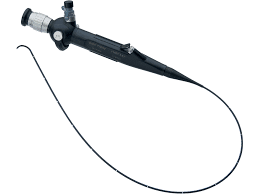
Your ENT (ear, nose, and throat) specialist may recommend a scoping procedure (also called nasal endoscopy or flexible laryngoscopy) to get a close-up view of your nasal passages, sinuses, throat, or voice box. This helps diagnose issues like sinus problems, nasal blockages, voice changes, swallowing difficulties, or chronic cough.
These procedures are safe, quick, and performed right in our office. No general anesthesia or sedation is needed—you’ll stay awake the whole time.
Before the Procedure
- No special preparation is usually required—You can eat and drink normally beforehand.
- Tell your provider about any allergies (especially to lidocaine or numbing sprays) or if you’re taking blood thinners.
During the Procedure (What You’ll Experience)
- Positioning You’ll sit upright in an exam chair, similar to a dentist’s chair.
- Numbing and Decongesting Your provider will spray a decongestant (to open your nasal passages) and a numbing medication (like lidocaine) into your nose.
- The spray may taste slightly bitter.
- Your nose and throat may feel numb for 20–45 minutes afterward.
- The Scope A thin, flexible tube (about the width of a spaghetti noodle) with a tiny light and camera at the end is gently inserted through one nostril.
- The provider guides it carefully to examine your nasal passages, sinuses, back of the throat, and/or voice box.
- The camera sends real-time images to a screen so your provider can see everything clearly.
- The scope may be passed through the other nostril as well.
What does it feel like? Most patients describe a sensation of pressure or mild discomfort—not sharp pain. Some feel like they want to sneeze or have a tickling feeling. The procedure usually lasts 1 to 5 minutes (sometimes up to 10 minutes if both sides and the throat are examined). You can breathe normally and talk with the provider if needed. If anything feels too uncomfortable, let us know right away—we can add more numbing or use a smaller scope.
In some cases, a small tissue sample (biopsy) may be taken if something needs further testing. This is usually painless due to the numbing.
After the Procedure
- You may have mild soreness in your nose or throat, a slight nosebleed, or a feeling of stuffiness. These usually resolve within a few hours to a couple of days.
- Your nose and throat may stay numb for a short while—Avoid eating or drinking for about 30–60 minutes afterward to prevent choking or aspiration while the numbness wears off.
- You can return to normal activities immediately—no downtime is required.
- Your provider will discuss the findings with you right away in most cases and explain next steps (medications, further tests, or treatment).
Possible Side Effects (Usually Mild and Temporary)
- Mild nasal irritation or bleeding
- Temporary hoarseness or sore throat
- Watery eyes or sneezing during the exam
Serious complications are very rare.
Tips to Make It More Comfortable
- Breathe slowly and steadily through your mouth or nose during the procedure.
- Try to relax your shoulders and avoid holding your breath.
- Let us know if you’ve had difficulty with this procedure in the past—we can adjust our approach.
Please note the following important billing information:
- The office visit charge covers the physician’s evaluation and management of your care.
- Diagnostic scopes are billed separately from the office visit. They are not included in the standard office visit fee.
- Insurance companies often classify these procedures as “surgical” or “outpatient procedural” services rather than routine office visits. As a result:
- The procedure may be applied to your deductible.
- You may be responsible for co-insurance or a higher copay.
- Reimbursement rates can differ from a regular office visit.
If you have any questions before your appointment or concerns afterward, please call our office at 719-867-7800. We’re here to make this as comfortable as possible.
Thank you for trusting us with your care. We look forward to helping you feel better!