

Sleep apnea is a significant sleep disorder characterized by pauses in breathing or periods of shallow breathing during sleep. Each pause can last for a few seconds to a few minutes, and they happen many times a night. For many, a CPAP machine is the gold standard treatment. However, alternatives exist for those who find CPAP machines uncomfortable or cumbersome. This blog post focuses on the causes of sleep apnea, highlights alternative management strategies, and discusses how to prevent its progression without using a CPAP machine.
Discover how to manage sleep apnea without a CPAP machine. Learn effective alternatives and lifestyle tips in our detailed guide.
Table of contents
Estimated reading time: 4 minutes
What is Sleep Apnea?
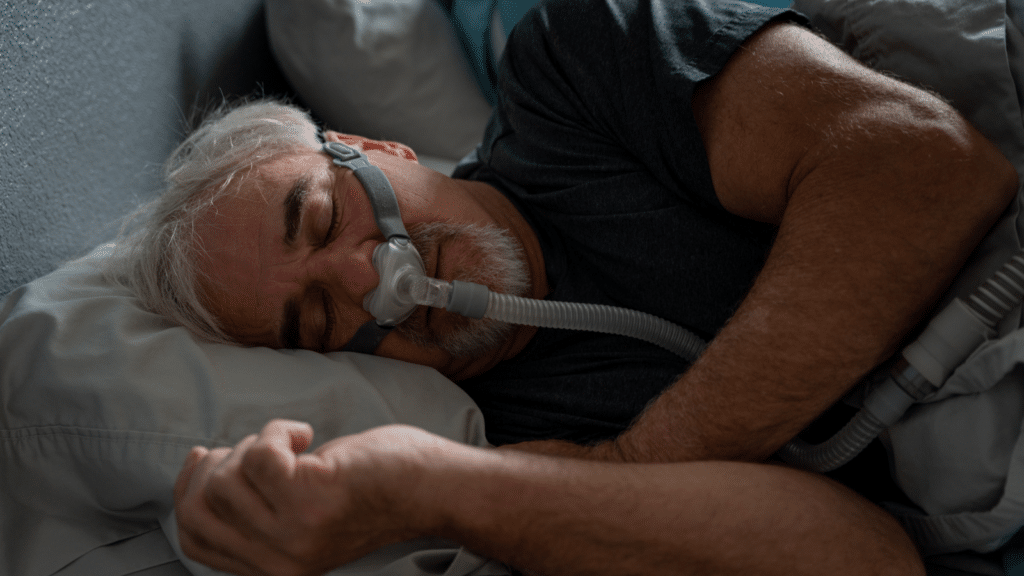
Sleep apnea, or obstructive sleep apnea (OSA), occurs when the muscles in the throat fail to maintain an open airway despite efforts to breathe. It can cause multiple awakenings and severe drops in oxygen levels. The condition is often associated with reduced sleep quality and can significantly affect overall health.
Common Symptoms of Sleep Apnea
Patients with sleep apnea may experience the following symptoms:
- Loud snoring
- Episodes of breathing cessation during sleep
- Abrupt awakenings accompanied by gasping or choking
- Morning headache
- Daytime sleepiness and fatigue
- Difficulty concentrating
- Mood changes, such as depression or irritability
- High blood pressure
- Nighttime sweating

Causes of Sleep Apnea
Several factors contribute to the onset of sleep apnea, including:
- Excessive Weight: Obesity greatly increases the risk of sleep apnea. Fat deposits around the upper airway can obstruct breathing.
- Anatomical Variations: Certain physical traits, such as a narrow airway, enlarged tonsils, or adenoids, significantly boost the risk of obstruction.
- Neuromuscular Conditions: Medical conditions that affect the muscles of the airways can make it harder to maintain airway patency.
- Age: Sleep apnea is more common in older adults, partly due to age-related loss of muscle tone around the airway.
Diagnosing Sleep Apnea
If you suspect that you have sleep apnea, it’s crucial to see a specialist for an accurate diagnosis. The process generally includes:
- Sleep History Assessment: This may involve filling out a questionnaire about sleep habits and whether family members have noticed symptoms such as snoring or gasping during sleep.
- Physical Examination: A doctor will check the back of your throat for any extra tissue or abnormalities.
- Sleep Study: You might need a nocturnal polysomnography which requires an overnight stay at a sleep center.
Definition: Nocturnal Polysomnography
Treatment Options for Sleep Apnea Without a CPAP Machine
- Positional Therapy: If your sleep apnea is positional, meaning it primarily occurs when you are back-sleeping, positional therapy can help. Special devices that prevent back-sleeping can reduce symptoms.
- Weight Management: Losing weight can reduce the severity of sleep apnea by decreasing pressure on your airway.
- Oral Appliances: Dental devices that adjust the position of the lower jaw and tongue have been effective for some people.
- Surgery: For some, surgical options may be necessary. Procedures might involve removing or shrinking tissue from the throat, or realigning the jaw to help keep the airway open.
Preventive Measures
Preventing the development of sleep apnea starts with lifestyle. Maintaining a healthy weight, avoiding alcohol before bedtime, quitting smoking, and managing allergies can all help reduce your risk. Regular exercise and a healthy diet are effective strategies for the prevention and management of these conditions.
When to See a Specialist
You should consider seeing a specialist if:
- Symptoms persist despite trying home remedies.
- The condition impacts your daily life, causing severe fatigue, mood changes, or health issues.
- You have concerns about your heart health.
Visit Colorado ENT & Allergy
At Colorado ENT & Allergy, we understand the challenges of living with sleep apnea and provide a range of treatments specific to our patients’ individual needs. Whether you’re seeking an alternative to CPAP or exploring a first-time diagnosis and treatment, our team is here to support your journey to better sleep and improved health. Contact us at 719-867-7800 to schedule an appointment